Synonym comparison
Difference between similar English words
Simple comparisons of confusing words: meaning, context, examples and practical tips.
Main point
Difference first, then context
Articles
Focus
What's included
Key differences, typical contexts, examples and quick tips for choosing the right word.

bite, sting and nip
bite: Use bite for the action of teeth gripping or cutting, whether by a person or an animal. sting: Use sting for a bee or other creature using a stinger, or for a sharp burning sensation. nip: Use nip for a quick small bite or pinch, such as a puppy nipping at an ankle.
Разобраться →
bite, chew, nibble, gnaw and chomp
bite: Use bite for gripping or cutting something with the teeth. chew: Use chew for working food between the teeth before swallowing it. nibble: Use nibble for taking small bites bit by bit, such as nibbling a biscuit. gnaw: Use gnaw for repeated persistent biting, as when a dog gnaws a bone. chomp: Use chomp in informal speech for vigorous or noisy biting and chewing.
Разобраться →
hurt, injure, wound and damage
Hurt can mean cause pain, including emotional pain. Injure usually concerns physical injury. Wound often means injure someone by breaking the skin, especially with a weapon; it can also refer to hurt feelings. Damage is especially common for objects, systems or reputations.
Разобраться →
hungry, starving, famished and ravenous
Hungry is the ordinary need to eat. Starving is often an informal exaggeration but can also describe dangerous lack of food. Famished and ravenous mean very hungry, with a more vivid tone.
Разобраться →
harmful, damaging, unhealthy and toxic
Harmful is broad: causing harm. Damaging stresses a negative effect on something. Unhealthy concerns health. Toxic can mean poisonous or, figuratively, seriously harmful behaviour or relationships.
Разобраться →
good, nice, kind and excellent
Good expresses a broad positive judgment. Nice often means pleasant. Kind describes care for others, especially a person's behaviour. Excellent means very high quality.
Разобраться →
glad, happy, pleased and cheerful
Glad usually reacts to something: glad to see you. Happy can describe a broader feeling. Pleased often expresses satisfaction with a result; cheerful describes a bright mood or manner.
Разобраться →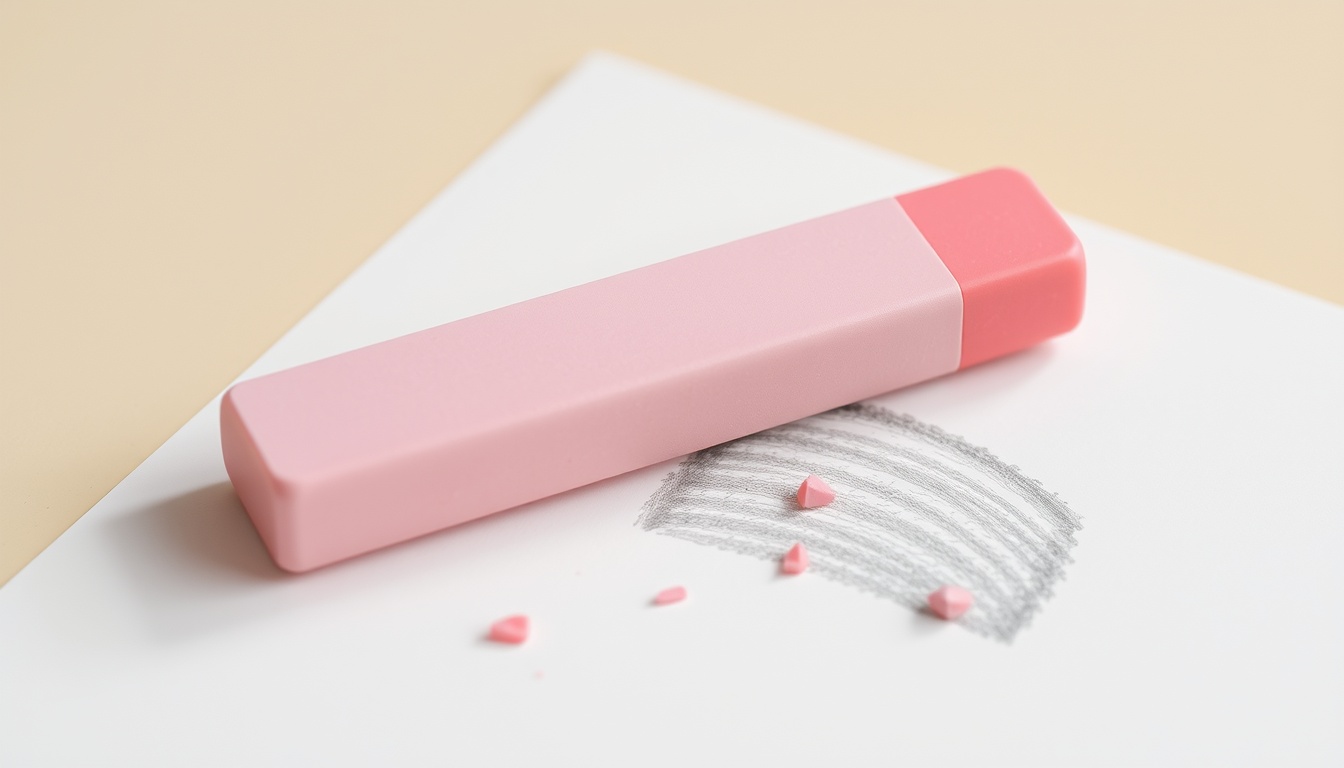
delete, remove, erase and clear
Delete is common for removing digital items. Remove means take something away more generally. Erase often means rub out marks or wipe data; clear often means empty a space, field or list.
Разобраться →
cooked, boiled, baked and fried
Cooked is the general result of preparing food with heat. Boiled, baked and fried name particular methods: liquid, oven heat, and hot fat or oil.
Разобраться →
consider, think, regard and view
Consider can mean think carefully about something or judge it in a particular way. Think is broader. Regard and view often express how you see someone or something: regard or view it as useful.
Разобраться →
cloudy, overcast, foggy and misty
Cloudy and overcast describe clouds in the sky; overcast means the sky is covered. Foggy and misty describe water droplets near the ground that affect visibility, with mist usually lighter than fog.
Разобраться →
closed, shut, locked and private
Closed and shut mean not open. Locked adds that a lock prevents opening. Private concerns access or ownership: a private place may have an open door.
Разобраться →
bring, take, carry and get
Bring and take depend on the direction or viewpoint of movement. Carry describes transporting something without that direction. Get is broader: obtain something or go and fetch it.
Разобраться →
best, better, finest and top
Better compares one thing with another; best places something at the highest level within a group. Finest is a more admiring or refined alternative. Top can mean leading or among the best, rather than uniquely best.
Разобраться →
believe, trust, think and suppose
Believe concerns accepting something as true. Trust concerns confidence in someone or something. Think can express an opinion; suppose often signals an assumption or some uncertainty.
Разобраться →
able, capable, qualified and competent
Able and capable concern ability. Qualified concerns the training, experience or credentials required for a role. Competent means having enough skill to do a job properly.
Разобраться →
favour, favor, service and help
Favour and favor are British and American spellings of a kind act done for someone. Service is broader and can be paid or professional. Help is general assistance.
Разобраться →
colour, color, shade and tint
Colour and color are British and American spellings of the same word. A shade is a variation of a colour, such as dark red; it is not one specific colour. In colour mixing, a tint is made lighter by adding white.
Разобраться →
choose, pick, select, opt for, decide and take
choose: Use choose for deciding which person, thing or action you want. pick: Use pick for choosing in everyday speech, such as pick a colour; it can also mean collect, but that is another sense. select: Use select in instructions or for a careful choice from available options. opt for: Use opt for before the chosen option: opt for the cheaper ticket. decide: Use decide with on an option, to and a verb, or a that-clause; do not say decide a colour. take: Use take for accepting or selecting an offered item: I'll take the blue one.
Разобраться →
change, replace, alter and adjust
Change is broad. Replace means put something else in place of an old item. Alter means modify the existing thing; adjust usually means make a limited change for a better fit or result.
Разобраться →
casual, everyday, informal and ordinary
Casual and informal can describe a relaxed style without formality. Everyday means usual or used daily. Ordinary means not unusual or special; it can sound dismissive in some contexts.
Разобраться →
carry, wear, tote, lug, take and bring
carry: Use carry for moving with something in your hands, arms, bag or on your back. wear: Use wear for clothes, jewellery or accessories on the body, not simply held in a hand. tote: Use tote as an informal verb for carrying something, especially a bag or equipment. lug: Use lug for carrying something heavy or awkward with effort; it often suggests inconvenience. take: Use take for moving an item away or to another place: take this to school. bring: Use bring for moving an item towards the speaker, listener or relevant destination: bring your book to class.
Разобраться →
beautiful, pretty, lovely and handsome
Beautiful expresses strong admiration. Pretty often suggests an attractive, delicate appearance. Lovely adds warmth or pleasure and can describe experiences too. Handsome is common for men's looks and also for some objects.
Разобраться →
bark, yap, woof and arf
Bark is the usual verb or noun for a dog's sound. Yap describes short, sharp barking. Woof and arf often imitate a bark, especially in informal writing.
Разобраться →
answer, reply, respond and tell
Answer, reply and respond involve a response. Tell means give information to someone and does not require a previous question. Their grammar differs: answer a question, reply to a message, tell someone something.
Разобраться →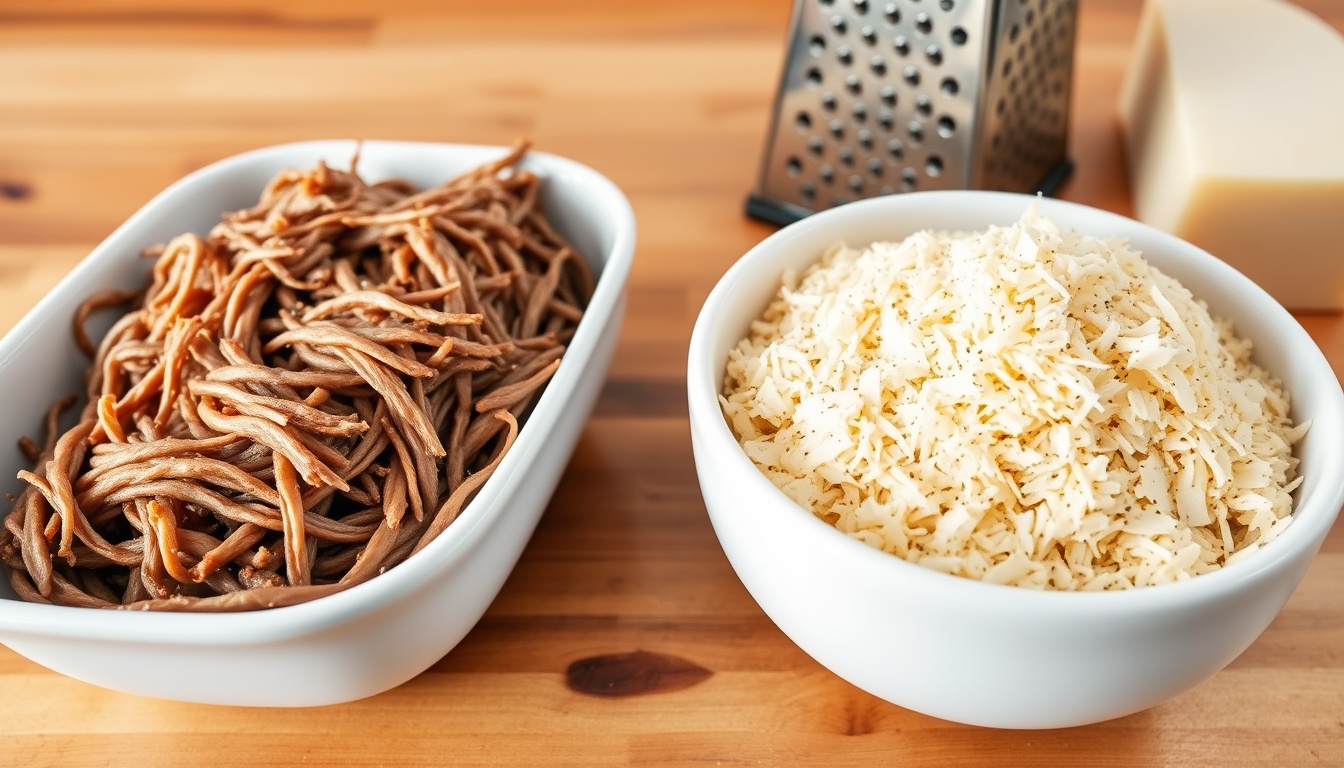
shredded, pulled, torn and grated
Shredded describes thin strips or separated fibres. Pulled is especially common for slow-cooked meat. Torn pieces are ripped apart and often irregular; grated food is rubbed against a grater.
Разобраться →
chewy, tough, rubbery and firm
Chewy describes food that needs repeated chewing. Tough suggests difficulty biting through it; rubbery suggests an elastic, rubber-like texture. Firm simply means solid rather than soft.
Разобраться →
tough, chewy, leathery and stringy
These words describe food texture. Tough food is difficult to bite through; chewy food needs repeated chewing, which can be pleasant. Leathery suggests dry toughness, while stringy points to fibres.
Разобраться →