Tapas
tapas
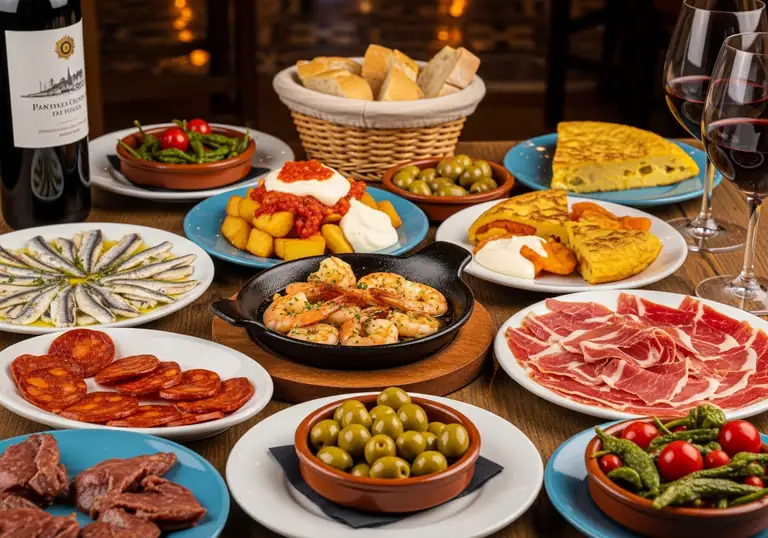
small Spanish dishes served as snacks or appetizers
Learn Tapas with free cards in 30 seconds.
10 minutes a day can add up to 3,000 words a year. Spaced flashcards bring each word back when it is time to remember it.
Tapas fits your vocabulary level. Check your level if you are not sure.


How many words can you learn in a year?
If you learn 8-10 new words a day and review them regularly with flashcards, you can cover about 3,000 words in a year.
ZapomniEnglish brings words back at the right time: difficult words appear more often, familiar words less often.
Not sure what pace to start with? Check your vocabulary level and we will suggest words for your level.
We count words you add to learning and review regularly. Active use grows gradually and depends on practice.
| Pace | Per day | Per year | Best for |
|---|---|---|---|
| Easy | 3 words | ≈ 1,100 words | starting without pressure |
| Balanced | 5 words | ≈ 1,800 words | steady growth |
| Recommended | 8 words | ≈ 2,900 words | around 3,000 words a year |
| Fast | 10 words | ≈ 3,650 words | visible vocabulary growth |
| Intensive | 15 words | ≈ 5,500 words | strong motivation |
Tapas with English translation
Tapas usage examples
Learn by topic
Tapas belongs to the topic "Dishes". Start with a short 7-word set so the word is easier to remember in context.
Tapas synonyms
What's the difference between Tapas / kleine spanische Vorspeisen / Häppchen / Imbiss / Snack / Vorspeisen
The most direct description: small Spanish starters, with no special stylistic nuance.
A very general word for small bite-sized pieces of food; not necessarily Spanish and not necessarily a separate dish.
A general word for a light meal or snack; it can also mean a place to buy fast food, so it is not very precise for tapas.
A common, very broad word for a small snack; often a loanword and not specifically Spanish.
More formal and broader: any starters or first courses before the main dish, not just small Spanish portions.
Emphasizes that the food is a small bite meant to stimulate the appetite; sounds a bit more descriptive and bookish.
A very general expression: small dishes of any kind, with no connection specifically to Spain or to appetizers.
What's the difference
More related word breakdowns
Short comparisons help you choose the right word by meaning, context, and typical examples.
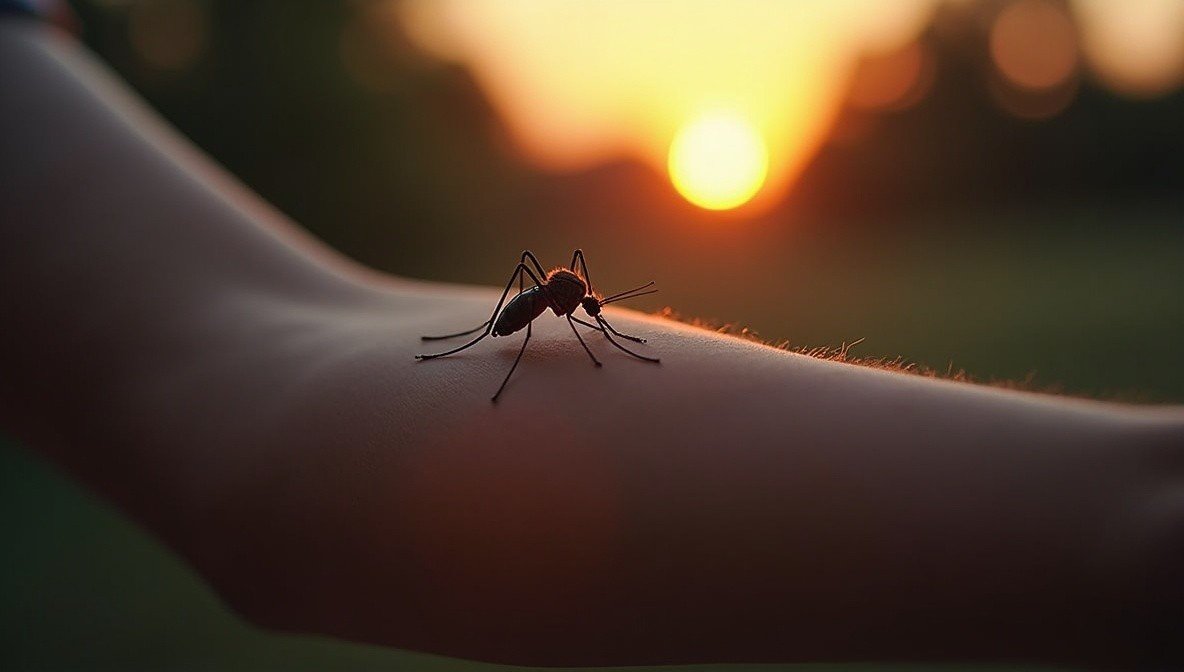
bite vs chew vs sting vs nip: разница между bite, chew, sting и nip
Разница между bite, chew, sting и nip: когда bite значит кусать, chew жевать, sting жалить, а nip слегка укусить.

carry vs wear vs take vs bring: разница между carry, wear, take и bring
Разница между carry, wear, take и bring: когда carry значит нести, wear носить одежду, take брать с собой, а bring принести.

catch vs make vs take vs board: разница между catch, make, take и board
Разница между catch, make, take и board в теме транспорта: успеть на поезд, сесть на автобус или воспользоваться транспортом.
Related words and lists for Tapas
Lists
How to pronounce Tapas and what this word means
Tapas means tapas. This page includes translation, pronunciation, transcription, audio, usage examples and related words.
how to pronounce Tapas
/ˈtapas/
Tapas translation
tapas
Tapas examples
Im Restaurant probieren wir Tapas.
Tapas transcription
/ˈtapas/
Questions about this word
Tapas meaning: what does it mean?
kleine spanische Gerichte, die als Snacks oder Vorspeisen serviert werden
Tapas pronunciation: how do you pronounce it?
Tapas is pronounced as /ˈtapas/. Audio is available on this page when the word has a recording.
Tapas definition and sentence examples: how is it used in a sentence?
Im Restaurant probieren wir Tapas. Translation: В ресторане мы пробуем тапас.
Is Tapas part of Spanish Cuisine vocabulary?
Yes, Tapas can be learned in the Spanish Cuisine topic. This semantic link helps build related word lists and topic-based practice.
Is Tapas part of Dishes vocabulary?
Yes, Tapas can be learned in the Dishes topic. This semantic link helps build related word lists and topic-based practice.
Learn Tapas in your vocabulary
Add this word to practice, repeat it with audio, examples and your own word lists.