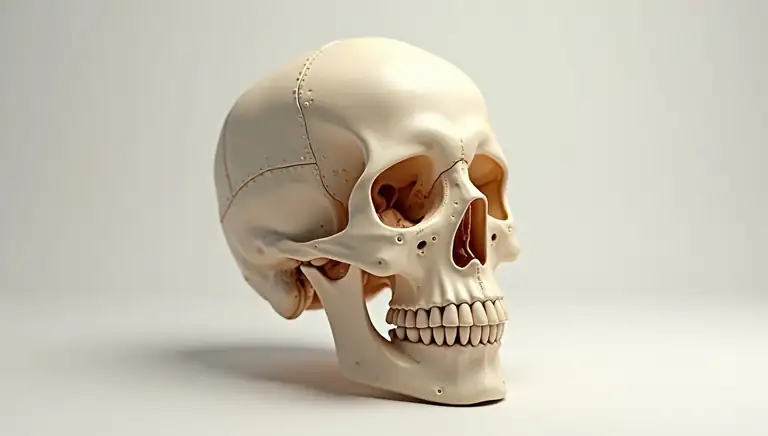
der Schädel
skull
bony structure of the head that protects the brain
Learn der Schädel with free cards in 30 seconds.
10 minutes a day can add up to 3,000 words a year. Spaced flashcards bring each word back when it is time to remember it.
der Schädel fits your vocabulary level. Check your level if you are not sure.


How many words can you learn in a year?
If you learn 8-10 new words a day and review them regularly with flashcards, you can cover about 3,000 words in a year.
Vastnylanguages brings words back at the right time: difficult words appear more often, familiar words less often.
Not sure what pace to start with? Check your vocabulary level and we will suggest words for your level.
We count words you add to learning and review regularly. Active use grows gradually and depends on practice.
| Pace | Per day | Per year | Best for |
|---|---|---|---|
| Easy | 3 words | ≈ 1,100 words | starting without pressure |
| Balanced | 5 words | ≈ 1,800 words | steady growth |
| Recommended | 8 words | ≈ 2,900 words | around 3,000 words a year |
| Fast | 10 words | ≈ 3,650 words | visible vocabulary growth |
| Intensive | 15 words | ≈ 5,500 words | strong motivation |
der Schädel with English translation
der Schädel usage examples
Usage examples will appear here with translation and context.
Learn by topic
der Schädel belongs to the topic "Head and Face". Start with a short 7-word set so the word is easier to remember in context.
der Schädel synonyms
What's the difference between der Schädel / Kopfknochen / Hirnschädel / Totenschädel / Schale / Gehäuse
An uncommon, literal word meaning “bone of the head”; it is not the usual everyday term for skull.
An anatomical term for the part of the skull that encloses the brain; more precise and technical than the everyday word.
Means “dead person’s skull” and is often used as a symbol of death or in frightening/decorative contexts.
A very figurative comparison meaning “shell” or “cover”; for the skull it is only used metaphorically or colloquially.
Means “casing” or “housing”; for the skull it is only a metaphor, not an anatomical term.
Means the “cranial vault,” the upper part of the skull; a more precise anatomical term than skull in general.
Literally “skull bone”; usually refers to one of the bones of the skull, not the skull as a whole.
What's the difference
More related word breakdowns
Short comparisons help you choose the right word by meaning, context, and typical examples.

bite vs chew vs sting vs nip: разница между bite, chew, sting и nip
Разница между bite, chew, sting и nip: когда bite значит кусать, chew жевать, sting жалить, а nip слегка укусить.

carry vs wear vs take vs bring: разница между carry, wear, take и bring
Разница между carry, wear, take и bring: когда carry значит нести, wear носить одежду, take брать с собой, а bring принести.

catch vs make vs take vs board: разница между catch, make, take и board
Разница между catch, make, take и board в теме транспорта: успеть на поезд, сесть на автобус или воспользоваться транспортом.
Related words and lists for der Schädel




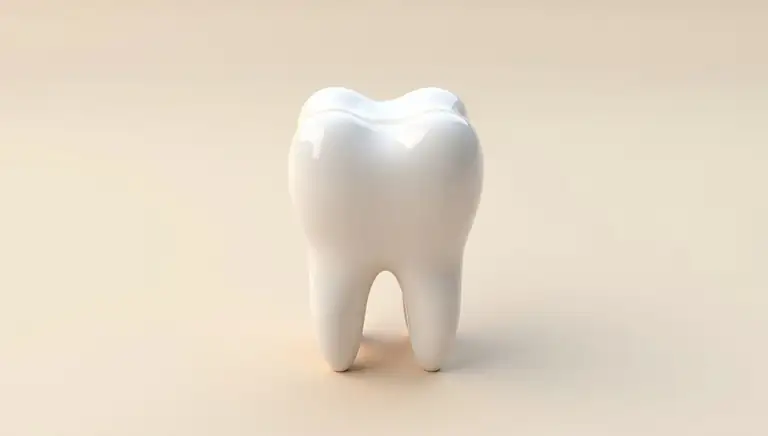



How to pronounce der Schädel and what this word means
der Schädel means skull. This page includes translation, pronunciation, transcription, audio, usage examples and related words.
how to pronounce der Schädel
/ˈʃɛːdl̩/
der Schädel translation
skull
der Schädel transcription
/ˈʃɛːdl̩/
Questions about this word
der Schädel meaning: what does it mean?
knochenartige Struktur des Kopfes, die das Gehirn schützt
der Schädel pronunciation: how do you pronounce it?
der Schädel is pronounced as /ˈʃɛːdl̩/. Audio is available on this page when the word has a recording.
Is der Schädel part of Head and Face vocabulary?
Yes, der Schädel (skull) can be learned in the Head and Face topic. This semantic link helps build related word lists and topic-based practice.
Is der Schädel part of Body vocabulary?
Yes, der Schädel (skull) can be learned in the Body topic. This semantic link helps build related word lists and topic-based practice.
Learn der Schädel in your vocabulary
Add this word to practice, repeat it with audio, examples and your own word lists.