Entdecken - translation, pronunciation and examples
detect
to notice or discover something
Learn entdecken with free cards in 30 seconds.
When to use entdecken
обнаруживать проблему
обнаруживать вирус
обнаруживать изменения
обнаруживать признаки
обнаруживать ошибки
entdecken usage examples
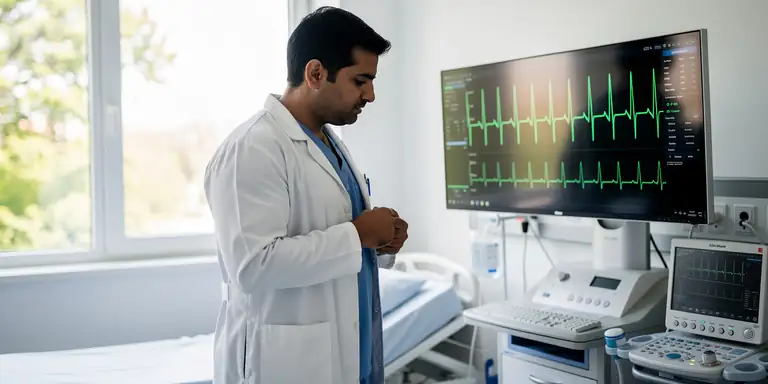
Врач может быстро обнаружить проблему.
Der Arzt kann das Problem schnell entdecken.
Мы обнаруживаем ошибку в тексте.
Wir entdecken einen Fehler im Text.
Similar words
detect — to notice or discover something
To perceive or notice through the senses or awareness; it often sounds a bit more like “perceive” than simple “detect.”
To track down or locate something hidden; it emphasizes active searching and finding something difficult to discover.
To determine, establish, or state as a fact; often used in neutral or formal contexts when concluding from evidence.
To recognize or realize; it often means more than noticing, because it includes identifying or understanding something.
Test yourself
Learn by topic
entdecken belongs to the topic "Top 2500". Start with a short 7-word set so the word is easier to remember in context.
entdecken synonyms
What's the difference between entdecken / wahrnehmen / aufspüren / feststellen / erkennen / bemerken
detect — to notice or discover something
Der Arzt kann das Problem schnell entdecken.
Врач может быстро обнаружить проблему.
To perceive or notice through the senses or awareness; it often sounds a bit more like “perceive” than simple “detect.”
Im Dunkeln nahm er ein leises Geräusch wahr.
В темноте он уловил тихий звук.
To track down or locate something hidden; it emphasizes active searching and finding something difficult to discover.
Die Polizei spürte den Verdächtigen in einem kleinen Ort auf.
Полиция выследила подозреваемого в маленьком городке.
To determine, establish, or state as a fact; often used in neutral or formal contexts when concluding from evidence.
Die Ärztin stellte eine Infektion fest.
Врач установила инфекцию.
To recognize or realize; it often means more than noticing, because it includes identifying or understanding something.
Ich erkannte ihn sofort an seiner Stimme.
Я сразу узнал его по голосу.
To notice or observe; a very common neutral word for realizing something you hadn’t paid attention to before.
Er bemerkte den Fehler erst am nächsten Tag.
Он заметил ошибку только на следующий день.
To feel or sense; it is usually linked to bodily or intuitive sensations rather than factual detection.
Sie spürte sofort, dass etwas nicht stimmte.
Она сразу почувствовала, что что-то не так.
To find or discover; a very broad verb that can refer to both physical finding and making a judgment or conclusion.
Wir fanden die Schlüssel auf dem Tisch.
Мы нашли ключи на столе.
To investigate and determine; often used in police, scientific, or formal investigative contexts.
Die Ermittler ermittelten die Ursache des Unfalls.
Следователи установили причину аварии.
To diagnose; used mainly in medicine or technical analysis when identifying the cause of a problem.
Der Arzt diagnostizierte eine Lungenentzündung.
Врач диагностировал воспаление лёгких.
To record or register, also to notice as a fact; it often sounds official and can mean simply “to register a signal/change.”
Das System registrierte einen starken Anstieg der Temperatur.
Система зафиксировала сильное повышение температуры.
What's the difference
More related word breakdowns
Short comparisons help you choose the right word by meaning, context, and typical examples.

bite vs chew vs sting vs nip: разница между bite, chew, sting и nip
Разница между bite, chew, sting и nip: когда bite значит кусать, chew жевать, sting жалить, а nip слегка укусить.

carry vs wear vs take vs bring: разница между carry, wear, take и bring
Разница между carry, wear, take и bring: когда carry значит нести, wear носить одежду, take брать с собой, а bring принести.

catch vs make vs take vs board: разница между catch, make, take и board
Разница между catch, make, take и board в теме транспорта: успеть на поезд, сесть на автобус или воспользоваться транспортом.
entdecken with Russian translation
Why learn entdecken with flashcards?
A translation is not enough: words are remembered faster when they return in short examples, audio and spaced review.
10 minutes a day can add up to 3,000 words a year. Spaced flashcards bring each word back when it is time to remember it.
We count words you add to learning and review regularly. Active use grows gradually and depends on practice.
| Pace | Per day | Per year | Best for |
|---|---|---|---|
| Easy | 3 words | ≈ 1,100 words | starting without pressure |
| Balanced | 5 words | ≈ 1,800 words | steady growth |
| Recommended | 8 words | ≈ 2,900 words | around 3,000 words a year |
| Fast | 10 words | ≈ 3,650 words | visible vocabulary growth |
| Intensive | 15 words | ≈ 5,500 words | strong motivation |
Related words and lists for entdecken








How to pronounce entdecken and what this word means
entdecken translation: detect. This page includes translation, pronunciation, transcription, audio, usage examples and related words.
how to pronounce entdecken
/ɛntˈdɛkən/
entdecken translation
detect
entdecken examples
Der Arzt kann das Problem schnell entdecken.
entdecken transcription
/ɛntˈdɛkən/
How this dictionary entry is reviewed
Vastnylanguages prepares dictionary data automatically, then the editorial workflow checks high-frequency words, top lists, and pages that already receive search impressions first.
Questions about this word
entdecken meaning: what does it mean?
etwas bemerken oder herausfinden
entdecken pronunciation: how do you pronounce it?
entdecken is pronounced as /ɛntˈdɛkən/. Audio is available on this page when the word has a recording.
entdecken definition and sentence examples: how is it used in a sentence?
Der Arzt kann das Problem schnell entdecken. Translation: Врач может быстро обнаружить проблему.
Learn entdecken in your vocabulary
Add this word to practice, repeat it with audio, examples and your own word lists.