Ancestry - translation, pronunciation and examples
ancestry
family origin
Learn ancestry with free cards in 30 seconds.

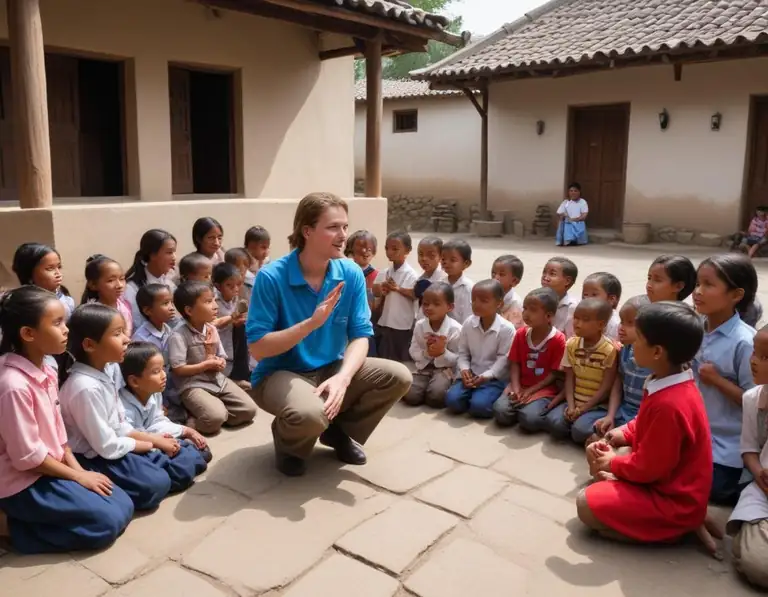
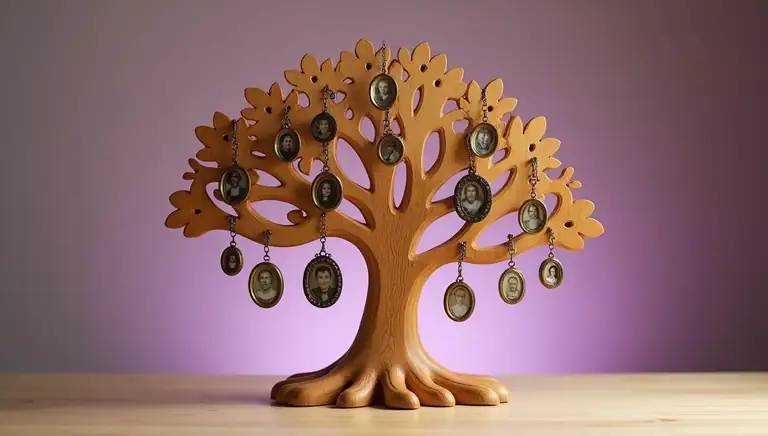
When to use ancestry
семейное происхождение
тест на происхождение
запись о происхождении
линия происхождения
исследование происхождения
ancestry usage examples
Они посетили архивы, чтобы найти записи о происхождении своей семьи.
They visited the archives to find records of their family's ancestry.
Учитель объяснил, как происхождение влияет на язык и кулинарные традиции в этом районе.
A teacher explained how ancestry shapes language and food traditions in the area.
Similar words
Same basic word: family origin or ethnic background.
Informal term for family origin or beginnings; often used conversationally.
A record or account of a family's past, including events, members and sometimes medical history.
A formal or slightly old-fashioned word for ancestors; stresses past generations.
Focuses on a direct family line or pedigree; often used in historical or hereditary contexts.
Test yourself
Learn by topic
ancestry belongs to the topic "Culture and Traditions of Countries". Start with a short 7-word set so the word is easier to remember in context.
ancestry synonyms
What's the difference between ancestry / roots / family history / forebears / lineage / heritage
Same basic word: family origin or ethnic background.
She researched her ancestry back to the 18th century.
Она исследовала своё происхождение до XVIII века.
Informal term for family origin or beginnings; often used conversationally.
She returned to her roots in the countryside.
Она вернулась к своим корням в сельскую местность.
A record or account of a family's past, including events, members and sometimes medical history.
She compiled a family history for her grandchildren.
Она составила историю семьи для своих внуков.
A formal or slightly old-fashioned word for ancestors; stresses past generations.
He honored the achievements of his forebears.
Он почтил достижения своих предков.
Focuses on a direct family line or pedigree; often used in historical or hereditary contexts.
The family traces its royal lineage for centuries.
Семья прослеживает свою королевскую родословную на протяжении веков.
Often used for cultural traditions, legacy or inherited property rather than strict genealogy.
He is proud of his cultural heritage.
Он гордится своим культурным наследием.
Refers to ethnic group membership (culture, language, shared ancestry), more specific than general origin.
People of various ethnicities live in the city.
В городе живут люди разных этнических принадлежностей.
Originally about recorded ancestry of animals; also used figuratively for distinguished family background.
The dog has an excellent pedigree.
У собаки отличная родословная (племенной документ).
Emphasises biological descent and hereditary line; often used for dramatic or inherited traits.
He came from an aristocratic bloodline.
Он происходил из аристократической кровной линии.
What's the difference
More related word breakdowns
Short comparisons help you choose the right word by meaning, context, and typical examples.

bite vs chew vs sting vs nip: разница между bite, chew, sting и nip
Разница между bite, chew, sting и nip: когда bite значит кусать, chew жевать, sting жалить, а nip слегка укусить.

carry vs wear vs take vs bring: разница между carry, wear, take и bring
Разница между carry, wear, take и bring: когда carry значит нести, wear носить одежду, take брать с собой, а bring принести.

catch vs make vs take vs board: разница между catch, make, take и board
Разница между catch, make, take и board в теме транспорта: успеть на поезд, сесть на автобус или воспользоваться транспортом.
ancestry with Russian translation
Why learn ancestry with flashcards?
A translation is not enough: words are remembered faster when they return in short examples, audio and spaced review.
10 minutes a day can add up to 3,000 words a year. Spaced flashcards bring each word back when it is time to remember it.
We count words you add to learning and review regularly. Active use grows gradually and depends on practice.
| Pace | Per day | Per year | Best for |
|---|---|---|---|
| Easy | 3 words | ≈ 1,100 words | starting without pressure |
| Balanced | 5 words | ≈ 1,800 words | steady growth |
| Recommended | 8 words | ≈ 2,900 words | around 3,000 words a year |
| Fast | 10 words | ≈ 3,650 words | visible vocabulary growth |
| Intensive | 15 words | ≈ 5,500 words | strong motivation |
Related words and lists for ancestry









How to pronounce ancestry and what this word means
ancestry translation: происхождение. This page includes translation, pronunciation, transcription, audio, usage examples and related words.
how to pronounce ancestry
/ən ˈænsɛstri/
ancestry translation
происхождение
ancestry examples
They visited the archives to find records of their family's ancestry.
ancestry transcription
/ən ˈænsɛstri/, /æn ˈænstri/
How this dictionary entry is reviewed
Vastnylanguages prepares dictionary data automatically, then the editorial workflow checks high-frequency words, top lists, and pages that already receive search impressions first.
Questions about this word
ancestry meaning: what does it mean?
family origin
ancestry pronunciation: how do you pronounce it?
ancestry is pronounced as /ən ˈænsɛstri/. Audio is available on this page when the word has a recording.
ancestry definition and sentence examples: how is it used in a sentence?
They visited the archives to find records of their family's ancestry. Translation: Они посетили архивы, чтобы найти записи о происхождении своей семьи.
Is ancestry part of Culture and Traditions of Countries vocabulary?
Yes, ancestry (происхождение) can be learned in the Culture and Traditions of Countries topic. This semantic link helps build related word lists and topic-based practice.
Is ancestry part of Travel and Leisure vocabulary?
Yes, ancestry (происхождение) can be learned in the Travel and Leisure topic. This semantic link helps build related word lists and topic-based practice.
Learn ancestry in your vocabulary
Add this word to practice, repeat it with audio, examples and your own word lists.